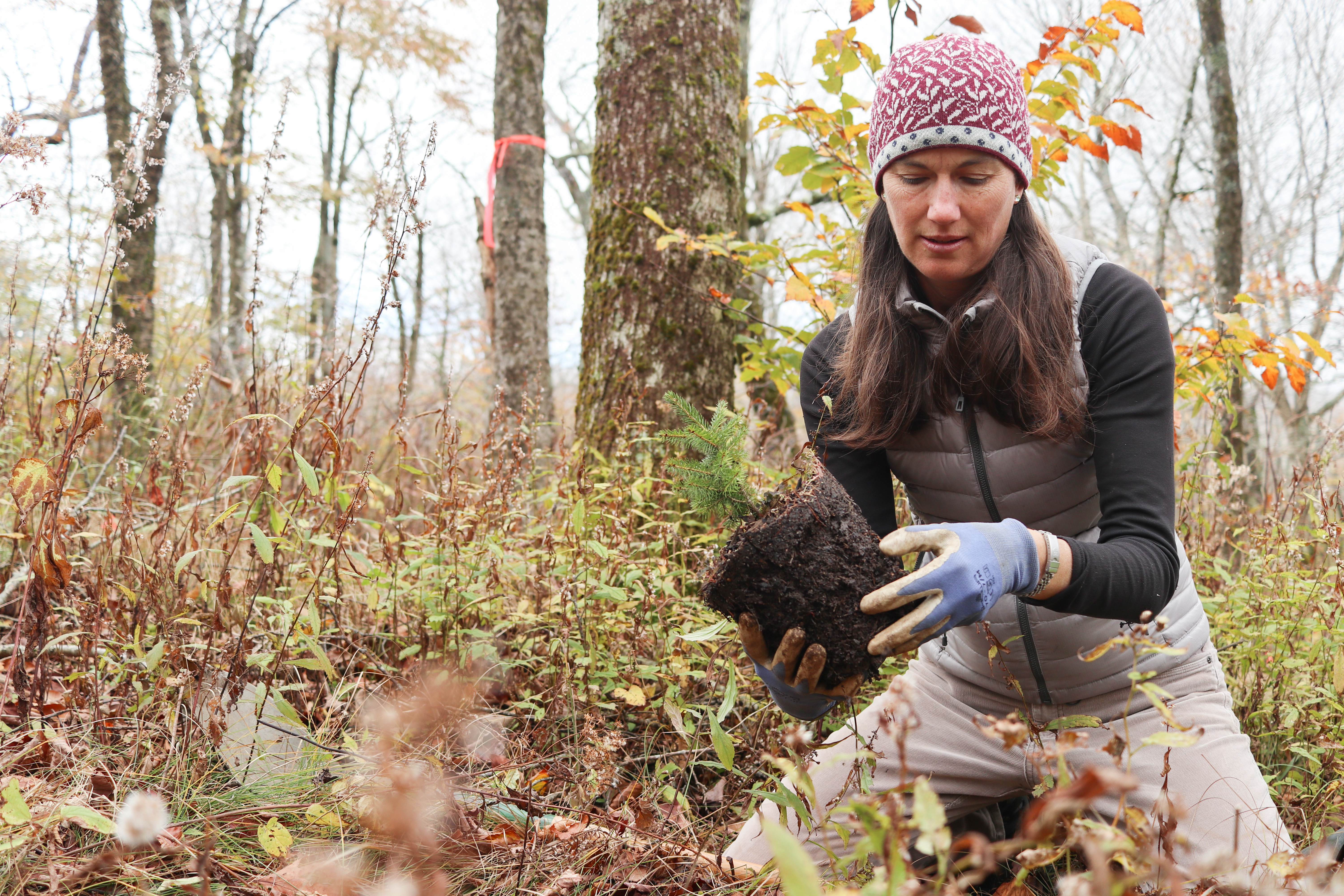
Found at the highest and coldest parts of the Southern Blue Ridge, the Southern Appalachian spruce-fir forests are characterized by high moisture – often immersed in cloud cover – and are widely considered a relic from the last ice age. These areas are home for plants and animals found nowhere else in the south, and in many cases, nowhere else in the world. They’re home to federally listed spruce-fir moss spider and Carolina northern flying squirrel; as well as a long list of species of conservation concern including the northern saw-whet owl, brown creeper, black-capped chickadee, and several salamanders.
About SASRI
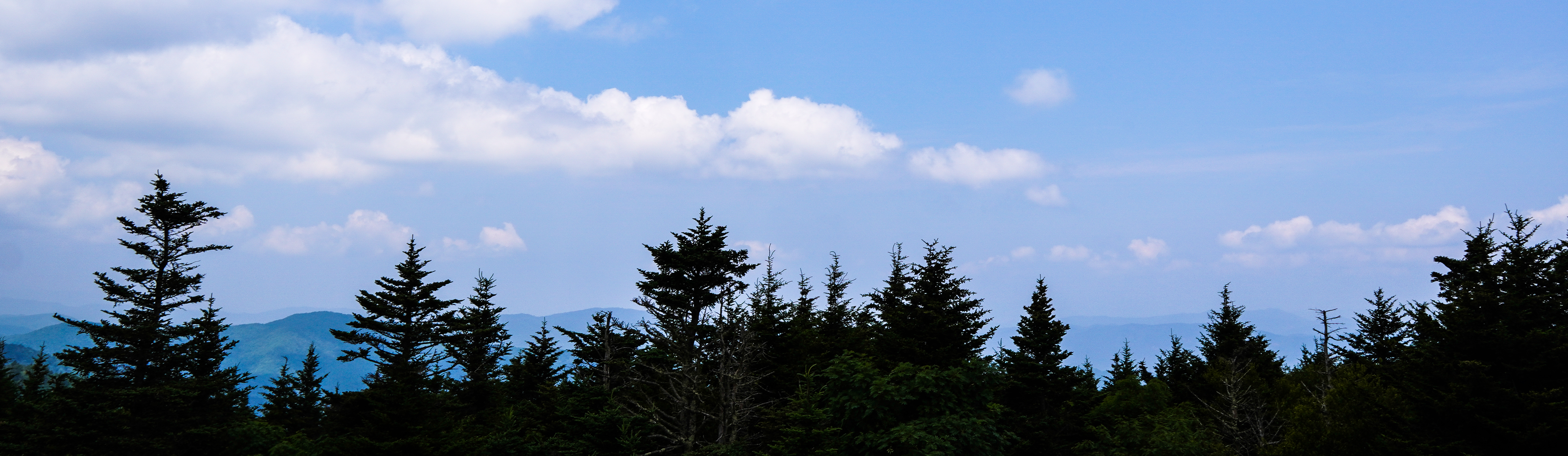
The Southern Appalachian Spruce Restoration Initiative (SASRI) is a partnership of diverse interests with a common goal of restoring spruce ecosystems across the high elevation landscapes of the Southern Blue Ridge. It is comprised of private, state, federal, and non-governmental organizations which recognize the importance of this ecosystem for its ecological, aesthetic, recreational, economic, and cultural values.
SASRI Goals
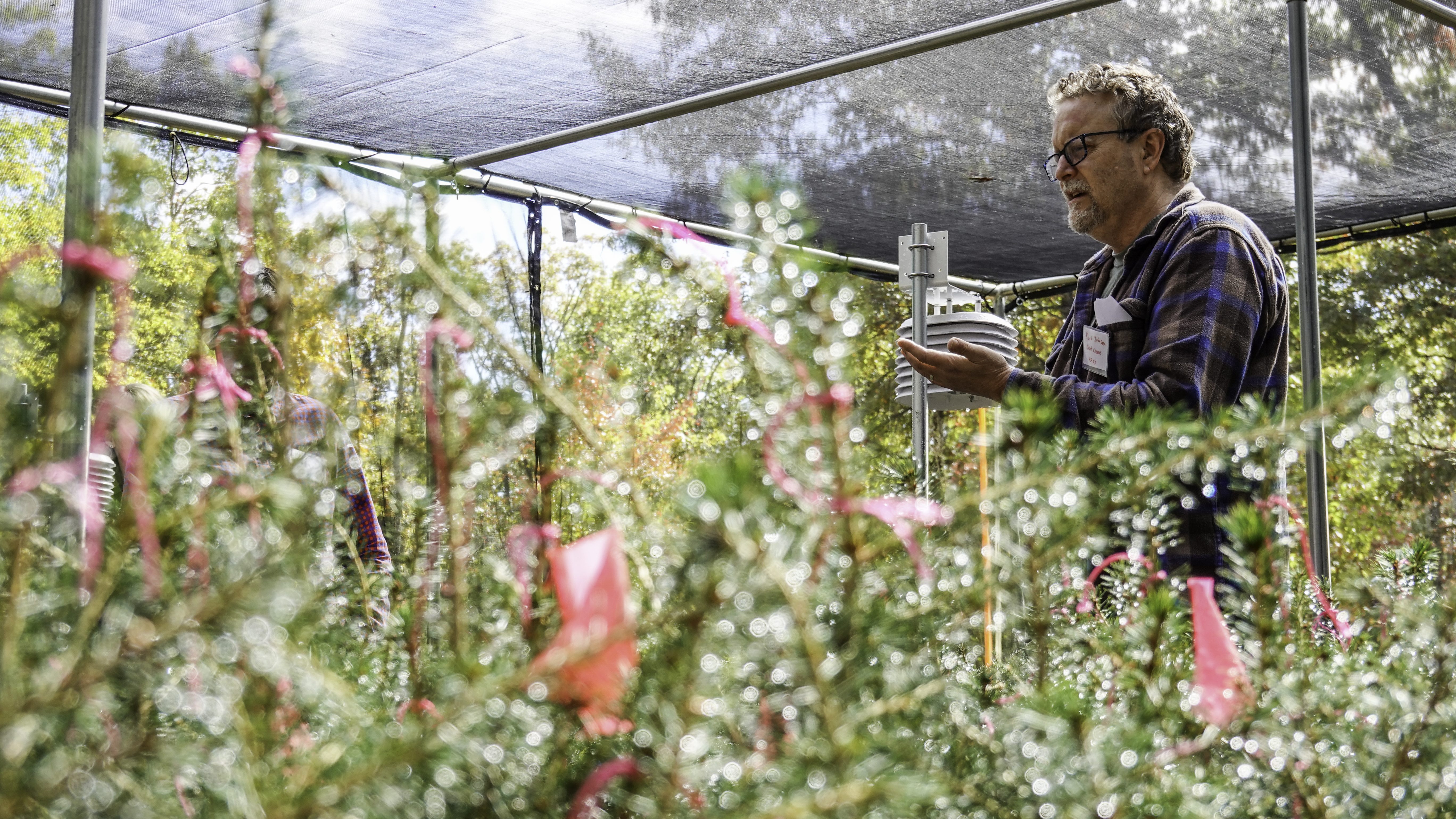
- Restore spruce to natural abundance in ecologically appropriate locations where canopy density has been reduced.
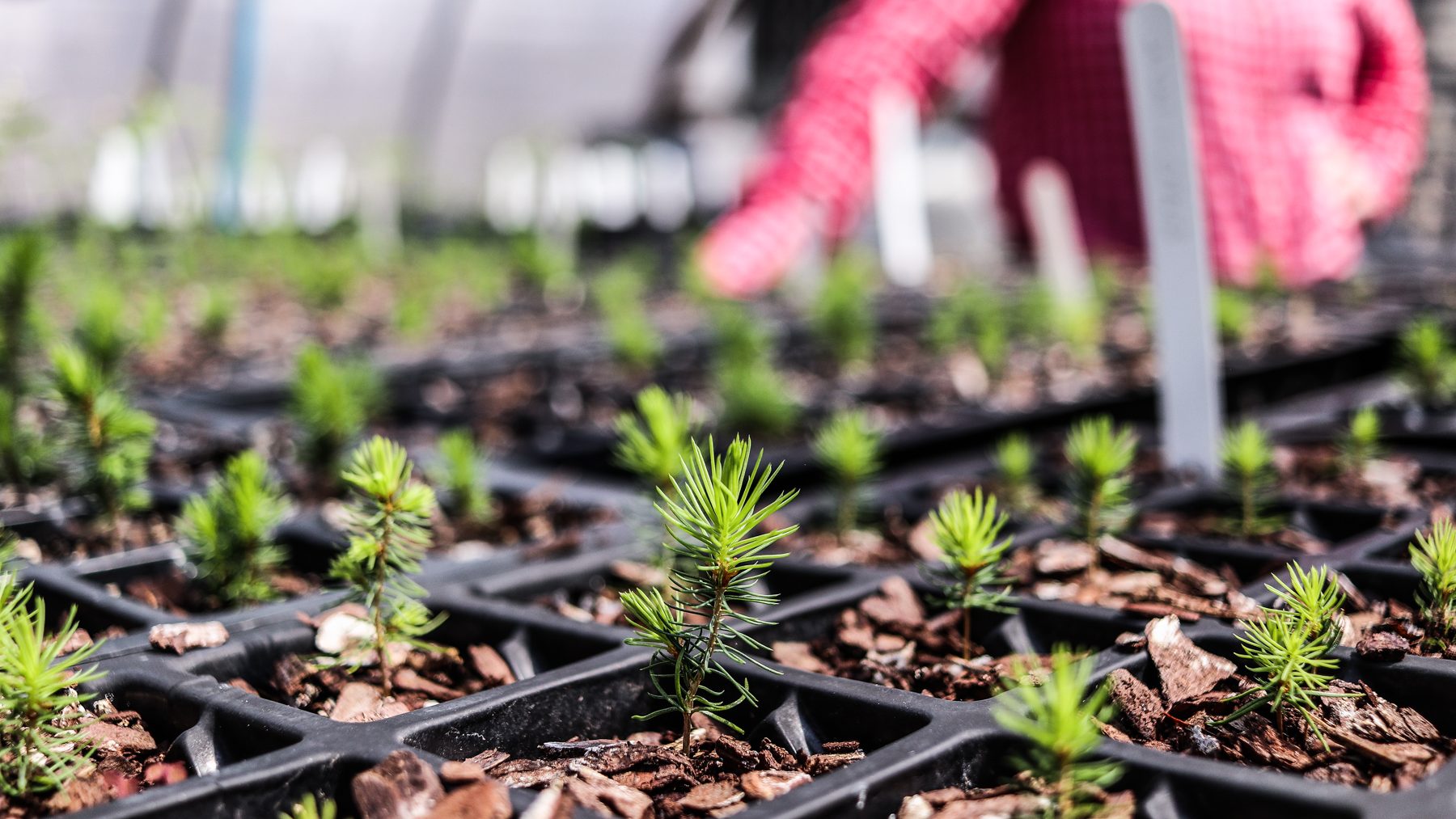
- Develop capacity to store seed and grow genetically appropriate spruce seedling to support resilient restoration projects in the face of climate change.
- Continue refining mapping and field criteria to determine appropriate restoration sites with new research and continued assessment of existing data.

Contacts
Co-chairs
- Marquette Crockett, Southern Appalachian Highlands Conservancy – marquette@appalachian.org
- Jason Rodrigue, U.S. Forest Service, Region 8 – jason.rodrigue@usda.gov
Steering committee members:
- John Caveny – Grandfather Mountain Foundation
- Cordie Diggins – US Fish and Wildlife Service
- Rachael Dickson – US Forest Service, National Forests of North Carolina
- Matt Drury, Appalachian Trail Conservancy
- Mark Endries – US Fish and Wildlife Service, Asheville Field Office
- Troy Evans – National Park Service, Great Smoky Mountains National Park
- Jane Foster – US Forest Service, Southern Research Station
- Kelly Holdbrooks – Southern Highlands Reserve
- Chris Kelly – NC Wildlife Resources Commission
- Eric Pfeiffer – US Forest Service, George Washington/Jefferson National Forests
- David Stone – US Forest Service, Cherokee National Forest
About spruce-fir forests
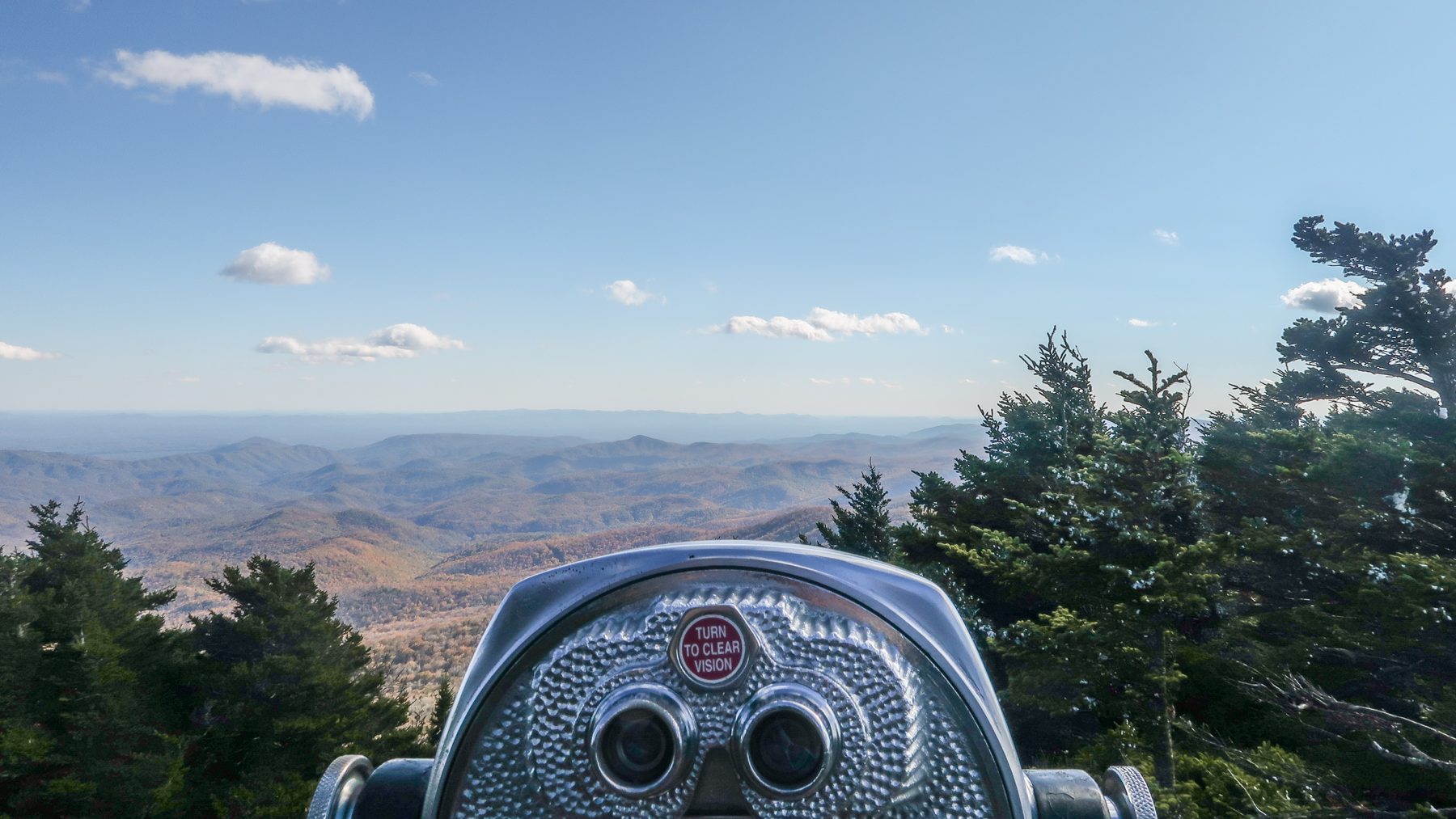
Found on the highest and coldest parts of the Southern Blue Ridge, the Southern Appalachian spruce-fir forests are widely considered a relic from the last ice age. The ice age’s cold temperatures pushed typically northern-latitude plants and animals, like spruce and fir trees, southward. As temperatures warmed, those species moved back north…and uphill, where they found refuge in the cold weather of the highest peaks east of the Mississippi. These species became isolated on these mountaintop islands, over time forming an ecosystem unique to the Southern Appalachians.
Spruce-fir forests:
- Occur on the tops of the highest peaks in the Southern Appalachians.
- Have red spruce and Fraser fir as the predominate tree species.
- Are very moist environments, and are often immersed in cloud cover.
Where are they?
- Great Smoky Mountains
- Plott Balsam Mountains
- Great Balsam Mountains
- Black Mountains
- Unaka Mountains
- Roan Mountain
- Grandfather Mountain
- Grayson Highlands
What makes them important?
From the 1880s to the 1930s these forests were logged extensively with some areas experiencing catastrophic wildfires in the logging slash. These fires not only killed trees, but burned the organic component of the soil, which red spruce seeds need for germination. This era of unchecked logging is considered the primary reason that restoration efforts are needed since the spruce forests have not recovered from this era in more than 100 years.
- They are home to federally-listed species such as spruce-fir moss spider, and Carolina northern flying squirrel (learn more about an on-the-ground effort that will benefit rare squirrels) as well as a long list of species of conservation concern including the northern saw-whet owl, brown creeper, black-capped chickadee, and several salamanders. Ensuring the continued existence of these species means ensuring they have ample habitat.
- Economic impacts – These forests occur at some of the highest profile, highest-visitation natural areas in the southern Appalachians. Stewarding them helps ensure these areas continue to draw people, which in turn helps support local economies.
- Climate change – Spruce-fir forests occur at the highest, coldest peaks in southern Appalachia. Being dependent on this cold climate puts them in a precarious position in the face of climate change. Restoring these forests helps makes them more resilient in the fact of climate change.
Get involved
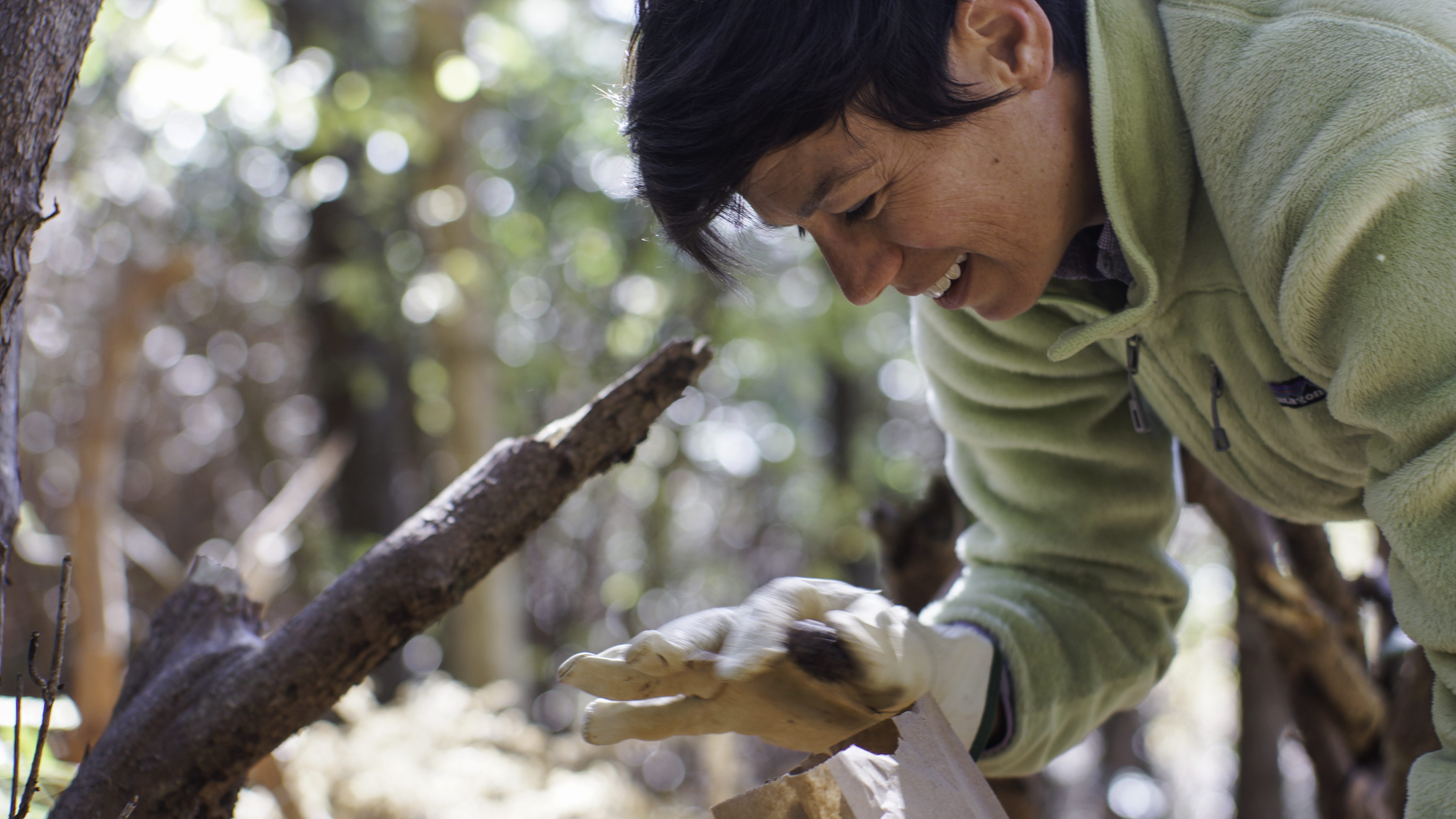
Volunteer – Different partners bring different skills and abilities to the SASRI community. Some of those partners can use volunteer help to make the SASRI mission a reality. This can range from researching the history of these forests to planting trees. For more information, contact each member organization with a vibrant volunteer program directly.
- North Carolina Wildlife Resources Commission, Chris Kelly, christine.kelly@ncwildlife.org
- Appalachian Trail Conservancy, Matt Drury, mdrury@appalchian.org
- Southern Highlands Reserve, Kelly Holdbrooks, kholdbrooks@southernhighlandsreserve.org
- Southern Appalachian Highlands Conservancy – Marquette Crockett, marquette@appalachian.org
Donate – A number of the SASRI partners are non-profits, and your support can help continue the SASRI mission.
- Southern Highlands Reserve
- The Nature Conservancy – Tennessee
- The Nature Conservancy – North Carolina
- Appalachian Trail Conservancy
- Southern Appalachian Highlands Conservancy
Library
SASRI Red Spruce Restoration Plan
- SASRI Red spruce restoration plan (including appendices A – D)
- Appendix E – Restoration prioritization example
- Appendix F – Diggins and Ford bibliography
- Appendix G – Schafale bibliography
Fact sheets
Geographic data
Media
- America’s Most Visited National Park is Threatened by Climate Change (March 30, 2024) – Article in Scientific American about the plight of spruce-fir forests in Great Smoky Mountains National Park.
- The Ridgetop Riches of Red Spruce (March 26, 2024) – Episode of the podcast Down the Road, Blue Ridge Music Trails of North Carolina, looking at the use of red spruce in the traditional construction of mandolins and guitars.
- Restoring Red Spruce (2024) – Article in Public Garden Magazine about spruce restoration and the role of Southern Highlands Reserve.
- Snapshot: 48 Hours in Search of One of the World’s Rarest Spiders (September 18, 2023) – Short photo-essay on two days spent searching for the spruce-fir moss spider in the highlands of Virginia.
- Red Spruce Restoration Kicks Off in North Carolina’s Black Mountains (June 6, 2023) – A look at planting red spruce in the Camp Alice area of Mount Mitchell State Park.
- Tracking a needle in a haystack – monitoring the endangered spruce-fir moss spider (September 28, 2022) – Short photo-essay on monitoring spruce-fir moss spiders
- Snapshot: Applying a Gentle Touch to Improving Habitat for an Endangered Flying Squirrel (September 6, 2022) – Short photo essay on efforts to restore spruce in North Carolina’s Black Mountains
- Snapshot: Experts Come Together to Develop Strategy for Red Spruce Restoration (August 5, 2022) – Short photo-essay on partners coming together to discuss a strategy for spruce restoration in the Black Mountains of North Carolina
- Snapshot: Red Spruce Propagation Lays the Foundation for Forest Restoration (July 22, 2022) – Short piece on the spruce propagation work of Southern Highlands Reserve
- Sprucing Up the Forest for Fairy Diddles (September-October, 2018) – Article from Wildlife in North Carolina magazine about efforts to restore red spruce and the benefit to Carolina northern flying squirrels.
 Southern Appalachian Spruce Restoration Initiative